Transform Your Bathroom with Bathtub Restoration Services
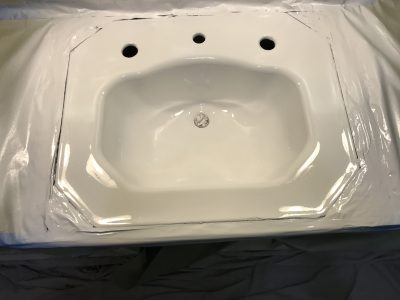
Bathrooms are a sanctuary in the home, offering a place to unwind and refresh. However, over time, bathtubs can lose their luster, becoming unsightly with chips, stains, and fading colors. Instead of opting for a costly replacement, many homeowners are now choosing bathtub restoration services. This process not only revitalizes the appearance of the bathtub but also extends its lifespan, all while being cost-effective and environmentally friendly. This article delves into the benefits of bathtub restoration services and what to consider when planning this transformation.
Understanding Bathtub Restoration
Bathtub restoration, also known as refinishing or reglazing, involves repairing surface damage and applying a new finish to an existing bathtub. This process can effectively address:
- Scratches and surface imperfections
- Stains and discoloration
- Chips and cracks
- Outdated colors and designs
By choosing to restore rather than replace, homeowners can save on the cost of materials and labor associated with new installations. Moreover, it helps reduce waste, making it an eco-friendly option. For those interested in detailed restoration techniques, discover expert strategies here.
The Process of Bathtub Restoration
Inspection and Preparation
The restoration process begins with a thorough inspection to assess the condition of the bathtub. This step ensures that all necessary repairs are identified and addressed. During preparation, the bathtub is cleaned to remove soap scum, oils, and other residues. Imperfections such as chips or cracks are repaired, providing a smooth surface for the new finish.
Application of New Finish
Once the bathtub is prepped, a primer is applied to promote adhesion of the topcoat. The new finish, typically a high-gloss urethane coating, is then sprayed onto the surface. This coating not only rejuvenates the bathtub’s appearance but also offers enhanced durability. For a comprehensive understanding of this approach, find out more about this approach.
Curing and Final Inspection
After application, the finish requires time to cure properly, ensuring a hard, resilient surface. Once cured, a final inspection guarantees that the restoration meets quality standards, readying the bathtub for use.
Benefits of Bathtub Restoration
Choosing bathtub restoration offers several advantages:
- Cost-Effective: Restoration is significantly less expensive than replacement, often costing a fraction of the price.
- Time-Saving: The process can generally be completed in a day, minimizing disruption to the household.
- Eco-Friendly: By reducing waste and conserving resources, restoration is a sustainable choice.
- Customizable: Homeowners can select from a variety of colors and finishes to match their bathroom decor.
For those considering this transformation, learn about our tailored solutions to ensure a successful project.
Factors to Consider Before Restoration
Before proceeding with bathtub restoration, consider the following:
- Condition of the Bathtub: Severely damaged bathtubs may require replacement instead of restoration.
- Choice of Finishes: Selecting the right finish is crucial for achieving the desired aesthetic and durability.
- Expertise of the Service Provider: Opt for professionals with proven experience and positive reviews to ensure quality results.
For guidance on selecting the right service provider, explore advanced guides and tips.
Conclusion
Bathtub restoration is a smart, efficient way to breathe new life into a bathroom without the expense and hassle of a full renovation. By focusing on quality and detail, this service not only enhances the visual appeal of the bathroom but also adds value to the home. For those seeking to transform their bathroom, bathtub restoration offers a blend of practicality and beauty, making it a worthwhile investment.
