Streamlining Employee Benefits with a Centralized Platform
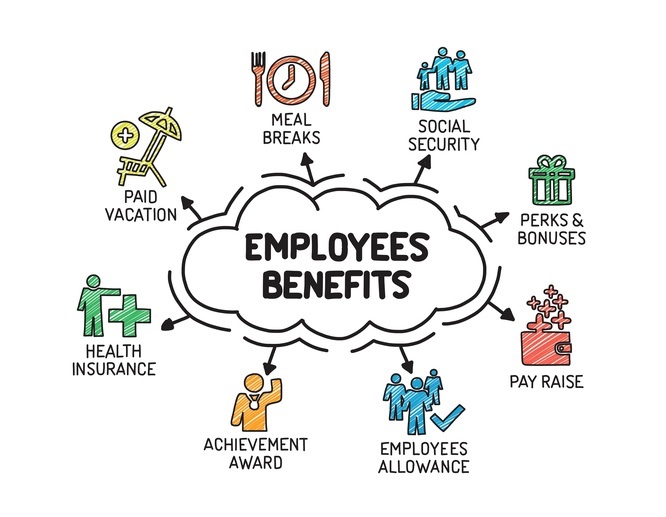
Streamlining employee benefits with a centralized platform has become a crucial aspect of modern human resources management. In today’s fast-paced business environment, companies are constantly seeking innovative ways to optimize their operations and maximize efficiency. One key area where many organizations can improve is in the management of employee benefits. A centralized platform can help streamline this process, making it easier for HR teams to administer benefits, communicate with employees, and ensure compliance with regulatory requirements.
Benefits of Centralized Employee Benefits Management
A centralized platform for employee benefits management offers numerous benefits, including improved efficiency, enhanced communication, and reduced administrative burdens. By consolidating benefits information into a single platform, HR teams can quickly and easily access the information they need to make informed decisions. This can help reduce errors and omissions, ensuring that employees receive the benefits they are entitled to.
Reducing Administrative Burdens
One of the primary benefits of a centralized platform is the reduction of administrative burdens. By automating many of the tasks associated with benefits management, HR teams can focus on more strategic initiatives, such as talent development and retention. This can also help reduce the risk of errors and omissions, which can be costly and time-consuming to rectify.
Key Features of a Centralized Platform
A centralized platform for employee benefits management typically includes a range of key features, including:
- Benefit plan design and administration
- Employee communication and self-service portals
- Compliance management and reporting
- Integration with payroll and HR systems
These features can help HR teams streamline benefits administration, improve communication with employees, and ensure compliance with regulatory requirements. For more information on the benefits of a centralized platform, read more about this topic.
Implementation and Integration
Implementing a centralized platform for employee benefits management requires careful planning and execution. HR teams must consider factors such as system integration, data migration, and user adoption. This can be a complex and time-consuming process, but the benefits of a centralized platform make it well worth the effort.
Best Practices for a Successful Implementation
To ensure a successful implementation of a centralized platform, HR teams should follow best practices such as:
- Clearly define business requirements and objectives
- Choose a platform that meets business needs and budget
- Develop a comprehensive implementation plan
- Provide training and support for users
By following these best practices, HR teams can ensure a smooth and successful implementation of a centralized platform for employee benefits management. For more information on best practices, learn more in this detailed guide.
In conclusion, a centralized platform for employee benefits management offers numerous benefits, including improved efficiency, enhanced communication, and reduced administrative burdens. By implementing a centralized platform, HR teams can streamline benefits administration, improve communication with employees, and ensure compliance with regulatory requirements. For more information on the benefits and best practices of a centralized platform, explore further insights here.
