Restaurant Equipment for Sale: Buy Commercial Kitchen Essentials Now
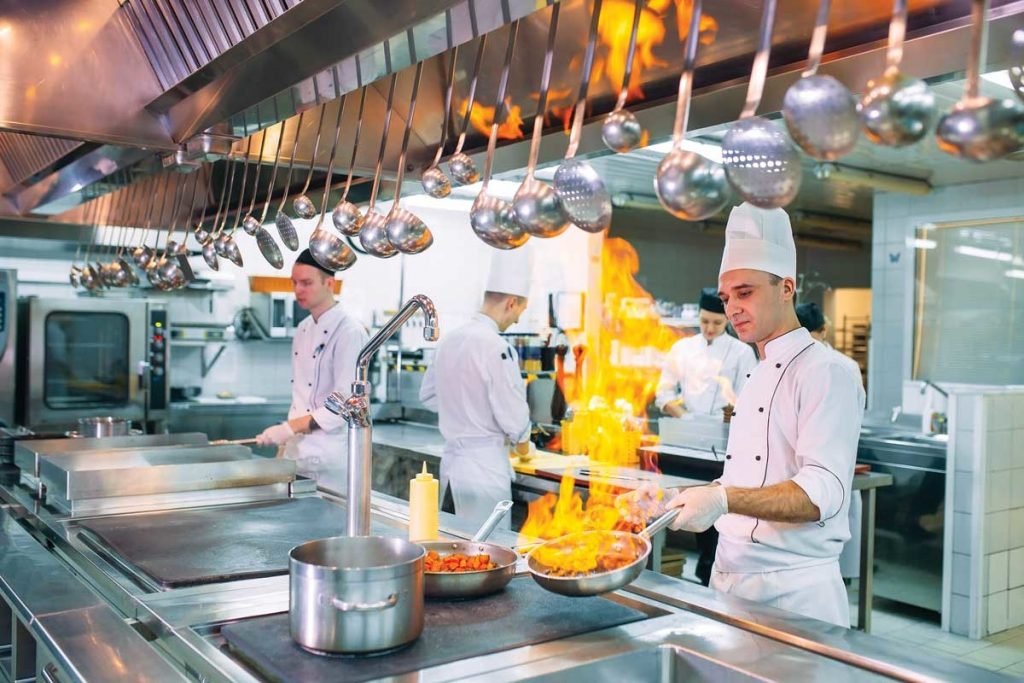
When a restaurant or catering operation decides to expand, upgrade, or launch a new concept, the quality and reliability of the equipment become decisive factors for success. Investing in the right kitchen tools not only improves efficiency but also enhances food consistency, safety, and staff morale. This guide explores the essential categories of equipment available for purchase, key considerations when selecting each item, and practical steps to ensure a smooth installation and ongoing maintenance plan.
Core Categories of Restaurant Equipment
Cooking Appliances
- Ranges and Ovens: Choose models with even heat distribution, programmable controls, and easy-to-clean interiors.
- Grills and Griddles: Look for high-output burners, durable grates, and grease management systems.
- Fryers: Opt for units with temperature stability, filtration, and safety interlocks.
Food Preparation Tools
- Food Processors & Mixers: Variable speed options and stainless-steel bowls extend lifespan.
- Slicers & Dicers: Precision blades and adjustable thickness settings improve portion control.
- Walk-in Refrigeration: Energy-efficient compressors and digital temperature monitoring are essential for inventory management.
Service & Holding Equipment
- Hot Holding Cabinets: Uniform heat zones keep dishes at safe temperatures.
- Steam Tables: Consistent steam flow reduces drying out of foods.
- Dishwashers: High-temperature rinse cycles and energy-saving modes lower operating costs.
Key Factors to Evaluate Before Purchase
- Durability and Build Quality: Commercial-grade stainless steel and heavy-duty components withstand constant use.
- Energy Efficiency: Look for certifications such as ENERGY STAR to reduce utility expenses.
- Manufacturer Support: Access to parts, technical manuals, and responsive service networks is crucial.
- Space Planning: Accurate measurements and workflow analysis prevent bottlenecks.
- Budget Alignment: Balance upfront cost with long-term total cost of ownership.
Choosing the Right Supplier
Selecting a reputable source for restaurant equipment for sale can streamline the procurement process. A knowledgeable supplier will provide:
- Detailed product specifications and comparison charts.
- Financing or lease options tailored to cash-flow constraints.
- On-site assessments to match equipment to kitchen layout.
- Training resources for staff to operate new machinery safely.
By partnering with an experienced provider, businesses gain confidence that the equipment will meet both performance and compliance standards.
Installation Best Practices
Proper installation is as important as the equipment itself. Professional commercial kitchen installation services ensure:
- Correct electrical load calculations and circuit protection.
- Compliance with local health and safety regulations.
- Secure anchoring and ventilation to prevent fire hazards.
- Integration with existing gas, water, and exhaust systems.
Scheduling the installation during off-hours or a planned shutdown minimizes disruption to operations. A detailed commissioning checklist should be completed before the kitchen reopens.
Ongoing Maintenance and Service
Even the most robust equipment requires regular upkeep. An affordable kitchen equipment service plan typically includes:
- Routine cleaning and sanitation procedures.
- Preventive inspections of burners, seals, and control panels.
- Prompt repair of wear-related components.
- Software updates for programmable units.
Proactive maintenance reduces unexpected downtime, extends equipment lifespan, and protects the investment made in the kitchen.
Making the Purchase Decision
Follow these steps to finalize the acquisition:
- Compile a comprehensive list of required items based on menu and volume projections.
- Request quotes from multiple suppliers, ensuring each includes delivery, installation, and warranty terms.
- Evaluate total cost of ownership, factoring in energy use, maintenance, and expected lifespan.
- Secure financing or leasing if needed, and verify that the supplier offers post-sale support.
- Schedule installation with certified technicians and arrange staff training sessions.
Conclusion
Investing in quality commercial kitchen equipment lays the foundation for operational efficiency, consistent food quality, and long-term profitability. By carefully assessing needs, selecting a reputable supplier, and ensuring proper installation and maintenance, restaurant owners can confidently equip their kitchens for today’s demands and future growth.
