Expert Electrical Services in Brisbane: What to Expect
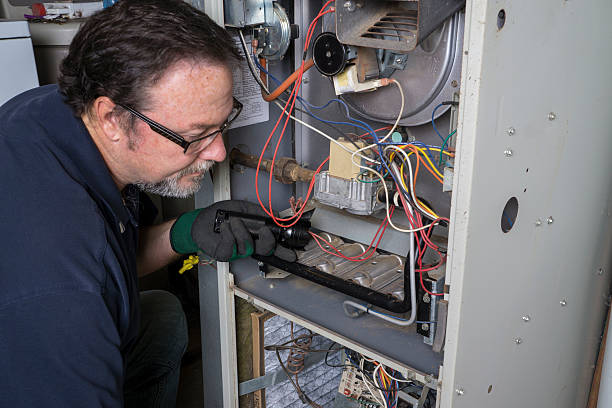
When a property in Brisbane requires electrical work, the expectation is clear: reliable service, strict safety standards, and a solution that lasts. Homeowners and business operators alike look for electricians who combine technical skill with a thorough understanding of local regulations. This article outlines what clients should anticipate from a top-tier electrical service provider, from the initial consultation through to final testing and documentation.
Initial Consultation and Site Assessment
A comprehensive assessment sets the foundation for a successful project. During this stage, the electrician will:
- Review the existing wiring diagram and any previous work records.
- Identify potential hazards, such as outdated circuits or overloaded panels.
- Discuss the client’s specific needs, whether it’s a simple lighting upgrade or a full-scale rewiring.
- Provide a clear, written estimate that outlines labour, materials, and timelines.
For deeper insight into the planning process, Discover expert strategies here. This resource explains how a detailed site audit can prevent costly revisions later on.
Regulatory Compliance and Safety Standards
Brisbane’s electrical work is governed by the Australian Standards (AS/NZS 3000) and the Queensland Electrical Safety Act. Professional electricians ensure every job meets or exceeds these requirements.
Key Compliance Elements
- Obtaining the necessary permits before work begins.
- Using certified equipment and materials that carry the appropriate compliance marks.
- Performing mandatory safety checks, such as earth continuity testing and insulation resistance measurements.
- Documenting all work in a compliance report for future reference.
To explore how compliance is integrated into everyday practice, Learn about our tailored solutions.
Project Execution and Communication
Transparent communication throughout the project is essential. Clients can expect regular updates, including:
- Daily progress reports that note completed tasks and any emerging issues.
- Clear explanations of any adjustments to the original scope, with cost implications outlined upfront.
- Coordination with other trades (e.g., carpenters, HVAC specialists) to keep the schedule on track.
Effective coordination reduces downtime and ensures that the final installation aligns perfectly with the client’s expectations. For practical tips on maintaining seamless communication, Explore advanced guides and tips.
Quality Assurance and Testing
Before handing over the completed work, rigorous testing verifies that every circuit operates safely and efficiently.
Typical Testing Procedures
- Continuity testing to confirm that all connections are secure.
- Load testing to ensure that circuits can handle the intended demand.
- RCD (Residual Current Device) testing to protect against electric shock.
- Final visual inspection to spot any stray wires or unsecured fittings.
All test results are recorded and provided to the client, offering peace of mind and a reference point for future maintenance. For a deeper dive into testing standards, Find out more about this approach.
Post-Installation Support and Maintenance
Professional electrical services extend beyond the completion of a project. Ongoing support includes:
- Scheduled maintenance visits to inspect panels, connections, and safety devices.
- Emergency response services for unexpected outages or hazards.
- Advice on energy-saving upgrades, such as LED retrofits or smart-home integration.
- Access to detailed documentation for insurance and resale purposes.
Maintaining a proactive maintenance plan can significantly extend the lifespan of electrical installations. Additional guidance on creating an effective maintenance schedule is available at Discover expert strategies here.
Choosing the Right Electrical Service Provider
When evaluating potential electricians, consider the following criteria:
- Licensing and registration with the Queensland Electrical Safety Office.
- Evidence of ongoing training and certification in the latest technologies.
- Positive client testimonials and a portfolio of completed projects.
- Clear, transparent pricing structures without hidden fees.
By focusing on these factors, clients can select a provider that delivers both technical excellence and dependable service. For a comprehensive checklist, Explore advanced guides and tips.
Conclusion
Expectations for electrical work in Brisbane revolve around safety, compliance, clear communication, and lasting quality. From the first site visit to post-installation support, each phase is designed to protect the client’s investment and ensure reliable power delivery. Leveraging reputable resources and adhering to industry standards helps both homeowners and businesses achieve results that stand the test of time.
