Understanding Entertainment Business Insurance Needs
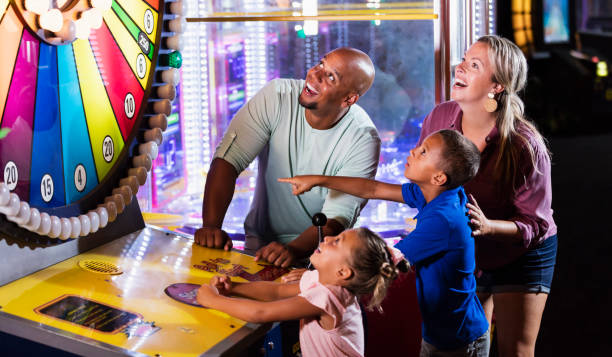
Operating a family-oriented entertainment venue, whether a bowling alley, arcade, trampoline park, or themed restaurant, requires more than creative attractions and solid customer service. The unique blend of high-traffic public spaces, specialized equipment, and employee interactions creates a complex risk profile that demands a tailored insurance strategy. Understanding the specific insurance needs of an entertainment business helps protect assets, maintain compliance, and ensure long-term financial stability.
Core Insurance Coverages for Entertainment Venues
General Liability
General liability insurance is the foundation of any entertainment business risk program. It covers third-party bodily injury and property damage claims that arise on the premises.
- Slip-and-fall incidents on wet floors or uneven surfaces.
- Injuries caused by malfunctioning equipment such as arcade machines or climbing walls.
- Legal defense costs if a claim escalates to litigation.
Property Insurance
Property coverage protects the physical assets that make the venue functional and appealing.
- Building structure and improvements.
- Equipment, d??cor, and inventory, including high-value arcade cabinets and sound systems.
- Business interruption losses if a covered peril forces temporary closure.
Workers’ Compensation
Because entertainment venues often employ seasonal staff, part-time workers, and contractors, workers’ compensation is essential to cover medical expenses and lost wages for employees injured on the job.
Equipment Breakdown & Business Income
Specialized equipment failures can halt operations abruptly. Coverage for equipment breakdown and resulting business income loss helps mitigate revenue gaps.
Specialized Risks and Additional Coverages
Liquor Liability
If the venue serves alcohol, liquor liability insurance addresses claims arising from intoxicated patrons.
Cyber Liability
Modern entertainment centers rely on digital ticketing, loyalty programs, and online payments. Cyber liability protects against data breaches, ransomware attacks, and associated legal costs.
Professional Liability (Errors & Omissions)
Facilities that offer classes, training sessions, or event planning services may need professional liability to cover claims of negligence or inadequate instruction.
Event Cancellation Insurance
For venues that host large-scale events, this coverage reimburses expenses if a scheduled event is canceled due to unforeseen circumstances such as extreme weather or a pandemic.
Assessing Coverage Needs: A Step-by-Step Approach
Developing an effective insurance program begins with a thorough risk assessment. Follow these steps to identify gaps and prioritize protections.
- Inventory Assets: List all physical assets, from building structures to arcade machines, and assign replacement values.
- Analyze Foot Traffic Patterns: Higher visitor volumes increase liability exposure; adjust limits accordingly.
- Review Employee Structure: Determine the mix of full-time, part-time, and contract workers to set appropriate workers’ compensation premiums.
- Identify Specialty Activities: Activities such as laser tag, VR experiences, or climbing walls may require endorsements or separate policies.
- Consult Industry Benchmarks: Compare coverage limits and deductibles with similar entertainment venues to ensure competitiveness.
Choosing the Right Insurance Partner
Partnering with an insurer that understands the nuances of family entertainment centers can streamline the underwriting process and provide access to industry-specific endorsements. Professionals who specialize in this sector stay current on emerging risks, regulatory changes, and best-practice loss-prevention strategies.
For deeper insight into crafting a resilient coverage plan, Discover expert strategies here. The resource offers case studies, risk-assessment tools, and guidance on selecting appropriate limits.
Risk Management Practices That Complement Insurance
Insurance is a safety net, not a substitute for proactive risk mitigation. Implementing robust safety protocols can reduce claim frequency and lower premiums.
- Conduct regular equipment inspections and maintenance logs.
- Train staff on emergency response, first aid, and proper equipment operation.
- Install clear signage for hazards, age-appropriate usage, and safety rules.
- Maintain a clean, well-lit environment to prevent slips and trips.
- Utilize digital ticketing systems with encryption to safeguard customer data.
Integrating these practices with an appropriate insurance program creates a comprehensive protection strategy. For actionable tips on blending risk management with coverage, Learn about our tailored solutions.
Cost Considerations and Budgeting
Premiums for entertainment business insurance vary based on location, size, and risk exposure. To manage costs effectively:
- Bundle multiple coverages (e.g., general liability, property, and equipment breakdown) with a single insurer.
- Maintain a loss-control program to demonstrate reduced risk to underwriters.
- Review policy renewals annually and adjust limits as the business evolves.
Understanding the cost drivers helps allocate resources wisely while preserving essential coverage. For a detailed breakdown of typical premium ranges, Explore advanced guides and tips.
Conclusion
Entertainment venues that cater to families and groups face a distinctive set of risks, from physical injuries to equipment failures and cyber threats. A well-structured insurance program, anchored by general liability, property, and workers’ compensation, supplemented by specialized endorsements, provides the financial backbone needed to navigate these challenges. Coupled with diligent risk-management practices and a knowledgeable insurance partner, businesses can protect their assets, safeguard their reputation, and focus on delivering memorable experiences.
For a comprehensive overview of insurance solutions designed specifically for family entertainment centers, Find out more about this approach. Leveraging expert guidance ensures that coverage aligns with operational realities and supports long-term growth.
