Independent Living Support through Elderly Care Technology
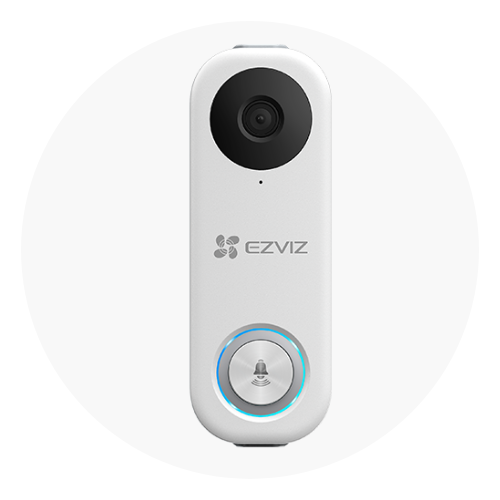
The advent of technology has revolutionized various aspects of our lives, including how we care for the elderly. Independent living support through technology offers a promising solution for enhancing the quality of life for older adults. As the global population ages, there is a growing demand for innovative solutions that enable seniors to live independently while maintaining their safety and well-being. Elderly care technology provides tools and systems that can monitor health, detect emergencies, and offer social connectivity, thus playing a crucial role in supporting independent living.
The Role of Technology in Elderly Care
Technology in elderly care encompasses a wide array of applications designed to support the health and independence of older adults. These applications are becoming increasingly prevalent due to their ability to provide continuous monitoring and assistance.
Health Monitoring Systems
Health monitoring systems are an integral part of elderly care technology. These systems can track vital signs and alert healthcare providers or family members in case of anomalies.
- Wearable devices that monitor heart rate, blood pressure, and oxygen levels.
- Remote monitoring systems that send data to healthcare professionals.
- Apps that remind users to take medications on time.
Explore further insights here about how these systems contribute to better health management.
Emergency Detection and Response
Emergency situations, such as falls, are a significant concern for the elderly. Technology offers solutions that can swiftly detect and respond to such incidents.
- Fall detection sensors that alert caregivers or emergency services.
- Emergency response systems that can be activated with a push of a button.
- GPS tracking for locating individuals who may wander due to cognitive impairments.
Learn more in this detailed guide about how these technologies enhance safety.
Social Connectivity and Engagement
Another critical aspect of elderly care technology is facilitating social connectivity and engagement. Isolation and loneliness are common challenges faced by seniors, and technology can help bridge this gap.
Communication Tools
Various communication tools have been developed to keep seniors connected with their loved ones and the broader community.
- Video calling platforms that allow face-to-face interaction.
- Social media applications tailored for older adults.
- Virtual clubs and communities focused on hobbies and interests.
Read more about this topic to understand how communication tools are improving social interactions.
Entertainment and Cognitive Stimulation
Entertainment and cognitive stimulation are also essential for maintaining mental health and well-being.
- Interactive games that promote brain health and cognitive function.
- E-books and audiobooks accessible through digital devices.
- Online classes and workshops for lifelong learning.
Find additional information here on how entertainment technologies support mental well-being.
Challenges and Considerations
While the benefits of elderly care technology are numerous, there are challenges and considerations to address.
- Ensuring privacy and data security for sensitive health information.
- Overcoming the digital divide by providing user-friendly interfaces.
- Training and educating both seniors and caregivers on using these technologies effectively.
Despite these challenges, the potential of technology to enhance independent living for seniors remains significant. By addressing these issues, we can ensure that the elderly reap the full benefits of these innovative solutions.
For more comprehensive insights, explore further insights here.
