Maximizing Efficiency: Solar Panel Design Strategies
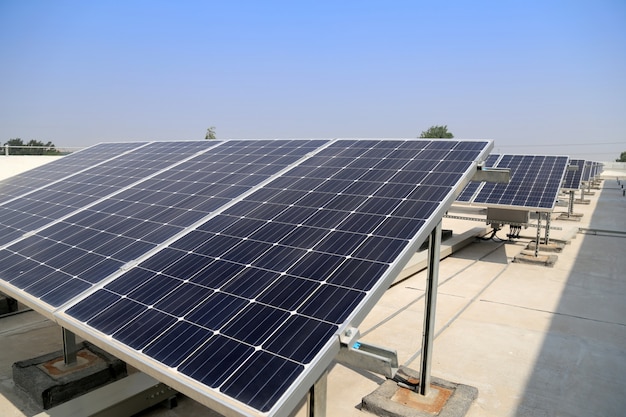
Solar energy continues to gain popularity as a sustainable and cost-effective source of power. As the demand for solar panels rises, optimizing their design becomes crucial in maximizing their efficiency and performance. Effective solar panel design strategies not only enhance energy output but also ensure the longevity and reliability of the solar systems. This article explores various design techniques and considerations that can significantly improve the efficiency of solar panels, providing valuable insights for both residential and commercial applications.
Key Design Considerations for Solar Panels
Panel Orientation and Tilt
The orientation and tilt of solar panels are critical factors in maximizing sunlight exposure. Panels should ideally face true south in the northern hemisphere and true north in the southern hemisphere to capture the maximum solar energy throughout the day. Additionally, the tilt angle should be adjusted according to the geographical location and seasonal solar path to optimize performance. Discover expert strategies here for determining the optimal orientation and tilt for any location.
Material Selection
The materials used in constructing solar panels significantly impact their efficiency. High-quality photovoltaic cells, anti-reflective coatings, and durable backing materials contribute to enhanced energy conversion rates and system longevity. When choosing materials, it’s vital to consider factors such as local weather conditions and potential environmental impacts. Find out more about this approach to selecting the right materials for specific conditions.
Innovative Design Techniques
Bifacial Solar Panels
Bifacial solar panels capture sunlight on both sides, increasing the energy yield compared to traditional single-sided panels. They are particularly effective when installed in areas with high reflectivity, such as snow-covered or sandy regions. The additional reflected sunlight can boost energy output by up to 30%. Explore advanced guides and tips on incorporating bifacial technology into solar system designs.
Passive Cooling Systems
Excessive heat can reduce the efficiency of solar panels. Implementing passive cooling systems, such as ventilation designs and heat sinks, can help maintain optimal operating temperatures. This approach not only improves efficiency but also extends the lifespan of the solar panels. Learn about our tailored solutions for integrating passive cooling mechanisms.
Enhancing System Efficiency
Advanced Monitoring and Maintenance
Regular monitoring and maintenance are essential for ensuring solar panels operate at peak efficiency. Advanced monitoring systems can detect issues such as shading, dirt accumulation, or electrical faults in real-time, allowing for prompt corrective actions. By maintaining optimal performance, energy output is maximized, leading to greater cost savings. Find out more about this approach to monitoring and maintenance strategies.
Customer Feedback and Reviews
Understanding the experiences of other solar system users can provide valuable insights into effective design strategies and system performance. Check out customer reviews here to see what others are saying about various solar panel designs and installations. This feedback can guide future design decisions and improvements.
- Proper orientation and tilt are crucial for maximizing sunlight exposure.
- Material selection impacts energy conversion and system durability.
- Bifacial panels offer increased energy yield in reflective environments.
- Passive cooling systems help maintain efficient operating temperatures.
- Advanced monitoring ensures optimal performance and cost savings.
