Maximizing Learning with Flexible Seating Classroom Solutions
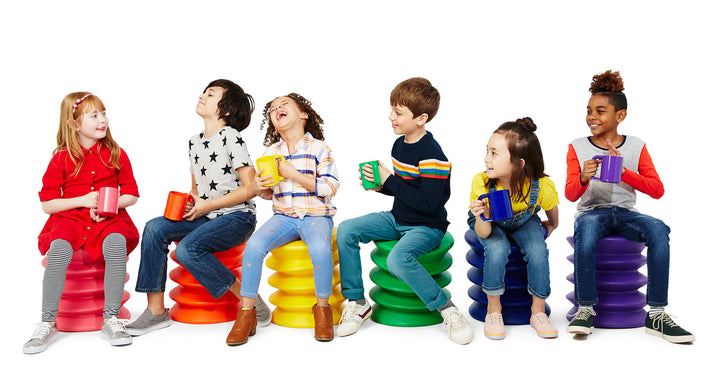
In the evolving landscape of education, the traditional classroom setup is being reimagined to foster an environment more conducive to learning. The flexible seating classroom is one such innovative approach that has been gaining momentum. By offering students varied seating options, educators aim to enhance engagement, foster collaboration, and improve overall academic performance. Understanding the nuances of implementing such a dynamic seating arrangement can significantly impact the learning outcomes and the overall classroom atmosphere.
The Benefits of Flexible Seating
Flexible seating provides numerous advantages that contribute to a more productive learning environment. The primary benefits include:
- Increased Student Engagement: Allowing students to choose their seating style can boost their engagement levels.
- Enhanced Collaboration: Different seating arrangements can facilitate better communication and teamwork among students.
- Comfort and Focus: Comfortable seating options can improve focus and reduce distractions.
- Personalized Learning: Students can select seating that suits their learning preferences and styles.
For those interested in understanding how to effectively implement these seating solutions, explore advanced guides and tips.
Implementing Flexible Seating in the Classroom
Transitioning to a flexible seating model requires careful planning and consideration. Here are some key steps to ensure a successful implementation:
Assessment of Classroom Needs
Before making changes, assess the specific needs of the classroom. Consider factors such as the size of the classroom, the number of students, and the available resources. Learn about our tailored solutions to meet diverse classroom requirements.
Selecting the Right Furniture
Choose furniture that is versatile, durable, and suitable for various learning activities. Options may include:
- Standing desks
- Bean bags
- Movable chairs
- Floor cushions
Each piece should contribute to creating a dynamic and flexible learning environment. Discover expert strategies here for selecting appropriate seating options.
Involving Students in the Process
Engaging students in the setup process can increase their commitment to the new seating arrangement. Solicit feedback and preferences to create a sense of ownership and responsibility. Find out more about this approach to student-centered learning environments.
Evaluating the Impact of Flexible Seating
Once flexible seating is in place, continuous assessment is crucial to determine its effectiveness. Key evaluation methods include:
- Monitoring Student Engagement: Observe changes in student interaction and participation.
- Gathering Feedback: Regularly solicit feedback from both students and teachers.
- Analyzing Academic Performance: Compare academic results before and after implementation.
These evaluation techniques will help in refining the seating setup to maximize its benefits. Explore advanced guides and tips for ongoing improvement.
Conclusion
The shift towards flexible seating in classrooms represents a significant change in educational strategies aimed at improving student outcomes. By offering varied seating options, educators can create a more inclusive and effective learning environment. For those seeking to implement or refine flexible seating solutions, resources and expert guidance are readily available. Learn about our tailored solutions to enhance the educational experience and foster an environment where students can thrive.
