Streamlining IT System Integration for Seamless Operations
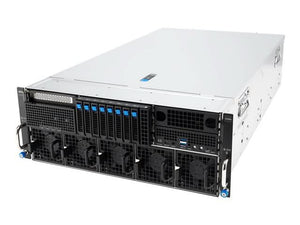
In today’s fast-paced digital landscape, the ability to integrate IT systems efficiently is paramount for organizations striving for operational excellence. The seamless integration of diverse IT systems is not just a technical necessity but a strategic imperative that can significantly enhance an organization’s agility, responsiveness, and competitive edge. As businesses increasingly rely on a multitude of software applications and platforms to manage operations, the challenge lies in creating a cohesive infrastructure that facilitates smooth communication and data exchange across systems. This article delves into the nuances of streamlining IT system integration to ensure seamless operations, highlighting key considerations and best practices.
The Importance of IT System Integration
Effective IT system integration is crucial for several reasons:
- Operational Efficiency: Integrated systems reduce redundancy and streamline workflows, leading to improved operational efficiency.
- Data Consistency: Integration ensures data consistency across platforms, eliminating discrepancies that may arise from isolated data sources.
- Enhanced Decision-Making: With real-time data access, organizations can make informed decisions quickly and accurately.
- Cost Reduction: By minimizing manual interventions and optimizing processes, integration can lead to significant cost savings.
For more insights on the importance of IT system integration, read more about this topic.
Key Considerations for Streamlining IT System Integration
Successful IT system integration requires careful planning and execution. Here are some key considerations:
Understanding Business Needs
Before embarking on integration projects, it is essential to thoroughly understand the organization’s business needs. Aligning the integration strategy with business goals ensures that the chosen solutions deliver tangible benefits. Explore further insights here to align integration efforts with business objectives.
Choosing the Right Integration Tools
With a plethora of integration tools available, selecting the right one is critical. Factors to consider include compatibility with existing systems, scalability, ease of use, and vendor support. Learn more in this detailed guide to evaluate and choose appropriate tools effectively.
Ensuring Data Security and Compliance
Data security and compliance should be at the forefront of any integration strategy. Implementing robust security measures and ensuring compliance with relevant regulations protect sensitive information and maintain organizational integrity. Find additional information here on safeguarding data during integration.
Best Practices for Seamless IT System Integration
Adhering to best practices can significantly enhance the success of integration projects:
- Incremental Approach: Adopting an incremental approach allows for gradual integration, reducing risks and facilitating easier troubleshooting.
- Comprehensive Testing: Rigorous testing ensures that integrated systems function as intended and any issues are addressed promptly.
- Continuous Monitoring: Regular monitoring of integrated systems helps in identifying potential issues early and maintaining optimal performance.
- Stakeholder Engagement: Engaging key stakeholders throughout the process ensures that their needs are met and fosters collaboration.
For a deeper understanding of these best practices, learn more in this detailed guide.
Conclusion
Streamlining IT system integration is a critical endeavor that can unlock numerous benefits for organizations, ranging from improved efficiency and reduced costs to enhanced data accuracy and decision-making capabilities. By focusing on strategic planning, selecting the right tools, and adhering to best practices, organizations can achieve seamless operations and maintain a competitive edge in the ever-evolving digital landscape. For more information and resources, explore further insights here.
