Sustainable Building Deconstruction Services Offered
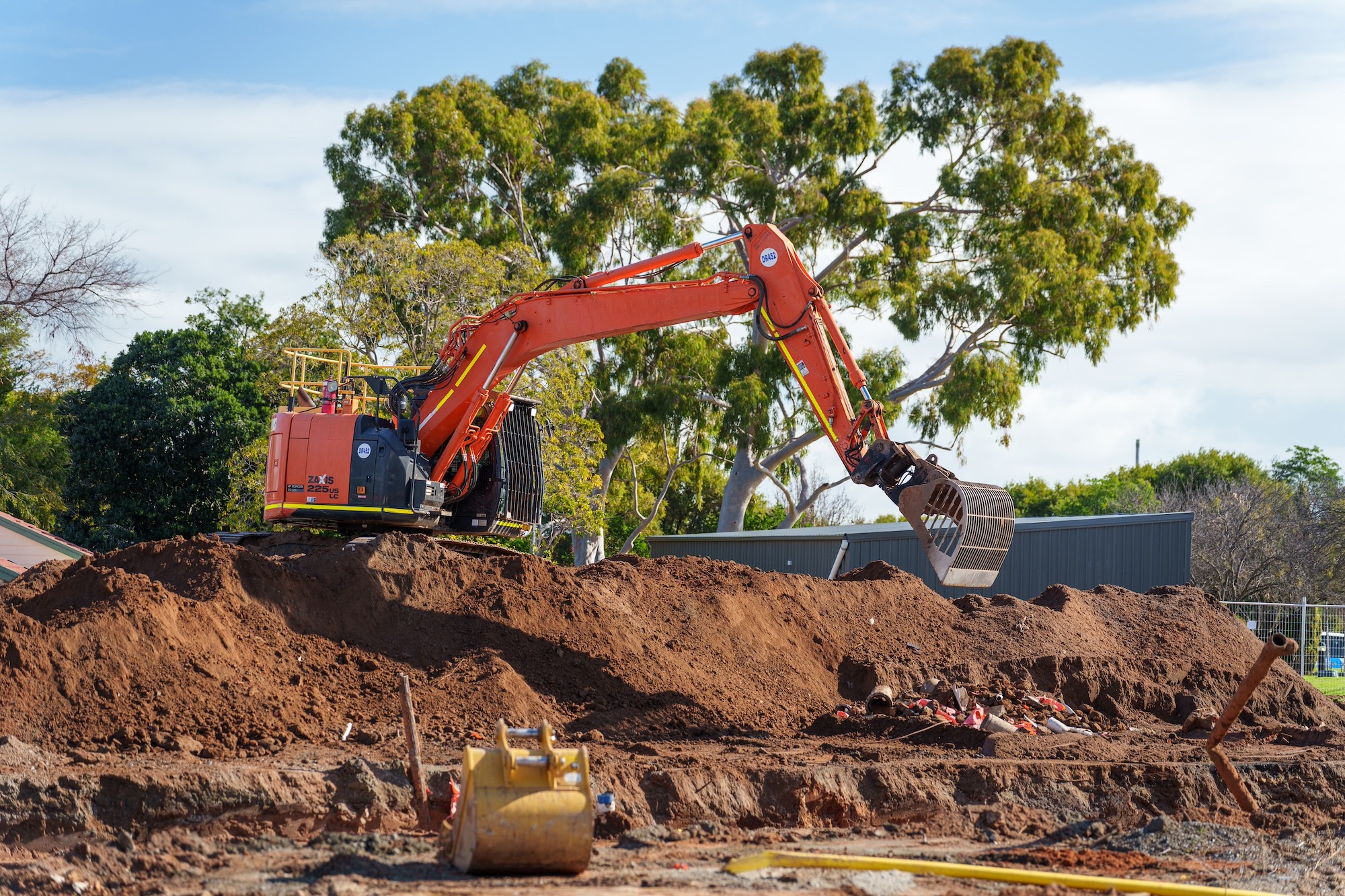
As the world increasingly turns its focus toward sustainable practices, the field of construction is no exception. Sustainable building deconstruction services have emerged as a pivotal component in the pursuit of eco-friendly construction solutions. Unlike traditional demolition, deconstruction is a methodical process that aims to maximize the recovery of materials for reuse, recycling, and resale. This not only minimizes waste sent to landfills but also reduces the environmental footprint of construction projects. The importance of sustainable building deconstruction lies in its ability to promote circular economy principles, ensuring that materials maintain their value and utility for as long as possible.
Understanding Sustainable Building Deconstruction
Sustainable building deconstruction involves dismantling structures piece by piece to recover valuable materials. This process contrasts sharply with conventional demolition, which often results in significant waste and environmental harm. By opting for sustainable deconstruction, stakeholders can achieve several benefits:
- Reduction in landfill waste and associated costs.
- Preservation of natural resources by reusing materials.
- Lowered carbon emissions compared to traditional demolition.
- Potential tax benefits from donating salvaged materials.
Learn more in this detailed guide.
Key Steps in the Deconstruction Process
Initial Assessment and Planning
The deconstruction process begins with a thorough assessment of the building. This involves identifying salvageable materials and planning the deconstruction sequence to maximize efficiency and material recovery. This stage is crucial for determining the potential value of recovered materials and estimating project costs.
Selective Dismantling
Once planning is complete, the selective dismantling phase commences. Skilled workers carefully dismantle the building, ensuring that valuable materials are preserved in their original condition. Key materials commonly salvaged include:
- Wood and timber components.
- Bricks and masonry.
- Metals such as steel and aluminum.
- Architectural features and fixtures.
Find additional information here.
Environmental and Economic Benefits
Sustainable building deconstruction not only supports environmental goals but also provides economic advantages. By reducing the demand for new materials, deconstruction can lead to cost savings in new construction projects. Additionally, the resale of salvaged materials can generate revenue, while also contributing to local economies by creating jobs in the deconstruction and recycling industries.
Explore further insights here.
Conclusion
The shift towards sustainable building deconstruction represents a significant step forward in the construction industry”?s efforts to embrace sustainability. By prioritizing the recovery and reuse of building materials, deconstruction services not only mitigate environmental impact but also offer viable economic benefits. As the industry continues to evolve, these practices will play a vital role in the development of more sustainable and resilient built environments.
