The Ultimate Guide to Improving Your Cycling Race Kit for Success
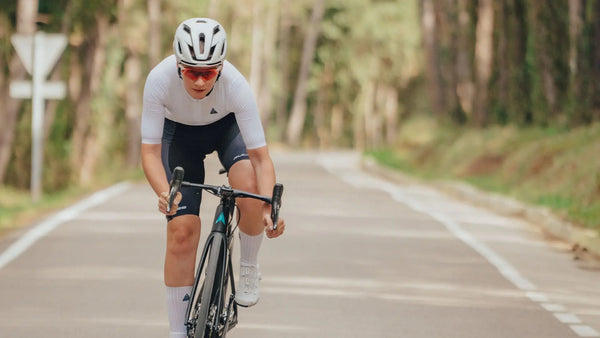
Success in competitive cycling is not only determined by the athlete’s physical training and mental endurance but also by the optimization of their race kit. A well-chosen cycling race kit can significantly enhance performance, reduce fatigue, and provide a competitive edge. This guide provides a comprehensive overview of how to enhance your cycling attire to maximize performance on race day.
Understanding the Importance of Aerodynamics
Aerodynamics plays a critical role in cycling performance, especially in races where every second counts. The right cycling race kit can minimize air resistance, allowing cyclists to maintain higher speeds with less effort. Here’s what to consider:
- Fabric Technology: Look for materials designed to reduce drag. These fabrics often feature a smooth surface to help air flow more efficiently around the body.
- Fit and Cut: A snug fit is essential. Loose clothing increases drag, so ensure your kit fits like a second skin.
- Seam Placement: Strategically placed seams can reduce turbulence and enhance aerodynamic efficiency.
Optimizing Comfort and Functionality
While aerodynamics is crucial, comfort should not be overlooked. Long races demand a kit that feels good throughout the ride. Consider these factors:
Chamois Quality
Invest in a high-quality chamois to ensure comfort during prolonged periods of cycling. A well-designed chamois will provide support and reduce chafing.
Breathability and Moisture Management
Cyclists should prioritize kits made with moisture-wicking fabrics to keep the body dry and comfortable. Good ventilation is also key, especially in warmer climates.
Storage Solutions
Ensure your jersey offers ample pocket space for essentials like nutrition bars, phones, and spare tubes without compromising the aerodynamic profile.
Leveraging Technology for Cycling Marginal Gains
In the quest for cycling excellence, every detail matters. Technologies that focus on cycling marginal gains can make a significant difference:
- Integrated Sensors: Some kits now include sensor technology to monitor performance metrics in real-time.
- Advanced Fabrics: New materials are being developed that provide UV protection, temperature regulation, and even enhanced muscle recovery.
Tailoring Your Kit for Specific Race Conditions
Cycling races can vary greatly in terms of climate, terrain, and duration. Customizing your kit to suit specific race conditions can provide an additional advantage:
- Temperature Adaption: Opt for kits with layering options for cooler temperatures and lighter, more breathable options for heat.
- Terrain Considerations: Mountainous routes might benefit from kits with better moisture management, while flat courses may prioritize aerodynamics.
Conclusion
Improving your cycling race kit is an investment in performance. By focusing on aerodynamics, comfort, technology, and race-specific customization, cyclists can achieve marginal gains that translate into significant improvements on the road. For those seeking to excel, the right cycling race kit is more than just apparel”?it’s a critical component of race strategy.
