Top Tips for Effective Car Suspension Repair: A Comprehensive Overview
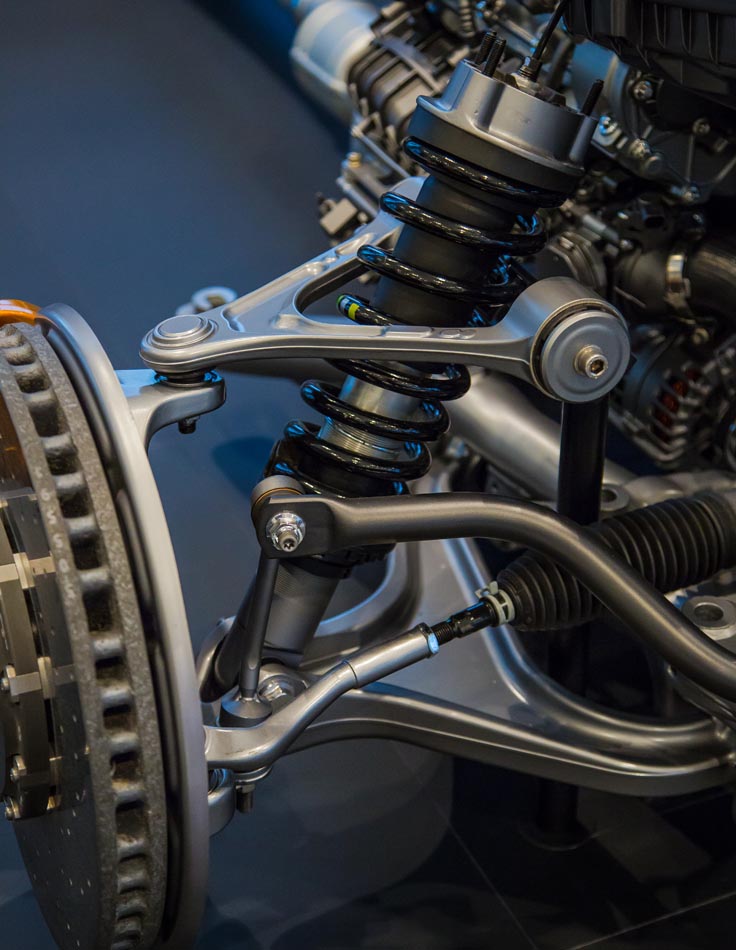
Car suspension is a crucial component of any vehicle, responsible for ensuring a smooth and safe ride. Over time, wear and tear can take a toll on suspension systems, leading to issues that can affect vehicle handling, comfort, and safety. Effective car suspension repair is not just about fixing problems but also about enhancing the overall performance of the vehicle. This article provides a comprehensive overview of top tips for effective car suspension repair, helping vehicle owners understand and address common issues efficiently.
Understanding the Basics of Car Suspension
Before diving into repair tips, it?s essential to grasp the fundamental aspects of car suspension. The suspension system comprises various components such as springs, shock absorbers, and struts, all working together to absorb shocks from road surfaces. A well-maintained suspension system ensures better control, reduced wear on other parts, and improved comfort.
Components of Suspension Systems
- Springs: These are the primary component for absorbing energy from road bumps.
- Shock Absorbers: They work alongside springs to dampen the effects of road irregularities.
- Struts: An integral part of the suspension, combining the function of shocks and structural support.
For an in-depth understanding of these components, discover expert strategies here.
Signs of Suspension Problems
Identifying suspension issues early can prevent more extensive damage. Some common signs indicating problems include:
- Unusual noises when driving over bumps.
- Excessive bouncing after hitting a bump.
- Uneven tire wear.
- Poor steering response.
Addressing these signs promptly can save costs and ensure vehicle safety. Learn about our tailored solutions for diagnosing these issues effectively.
Top Tips for Effective Suspension Repair
Regular Inspections
Routine inspections are vital for maintaining a healthy suspension system. Professionals recommend checking the suspension system every 20,000 to 30,000 miles or annually. Regular inspections can uncover potential issues before they escalate, ensuring a safer driving experience.
Use Quality Parts
When it comes to repairs, using high-quality parts is crucial. Inferior components might temporarily solve the problem but could lead to further complications. Investing in OEM (Original Equipment Manufacturer) parts is often advisable for reliability and longevity.
Proper Alignment
Wheel alignment significantly affects suspension performance. Misaligned wheels can cause uneven tire wear and affect vehicle handling. Regular alignment checks and corrections help maintain optimal suspension function. Explore advanced guides and tips for ensuring proper alignment.
Maintain Correct Tire Pressure
Tire pressure impacts suspension performance. Under-inflated or over-inflated tires can lead to suspension strain and uneven wear. Regularly checking and adjusting tire pressure can enhance suspension longevity and vehicle safety.
When to Seek Professional Help
While some maintenance tasks can be DIY, certain repairs require professional expertise. Complex issues such as replacing struts or springs should be handled by experienced technicians. Professionals possess the necessary skills and tools to ensure effective repairs, minimizing risks and enhancing vehicle performance.
If in doubt, find out more about this approach to determine when professional intervention is necessary.
Conclusion
Effective car suspension repair is a combination of timely maintenance, quality parts, and professional expertise. By understanding the basics, recognizing signs of trouble, and following these expert tips, vehicle owners can ensure their suspension system remains in top condition. For comprehensive support and advanced solutions, explore advanced guides and tips tailored to individual needs and scenarios.
