How to Choose the Right Stab Vest for You
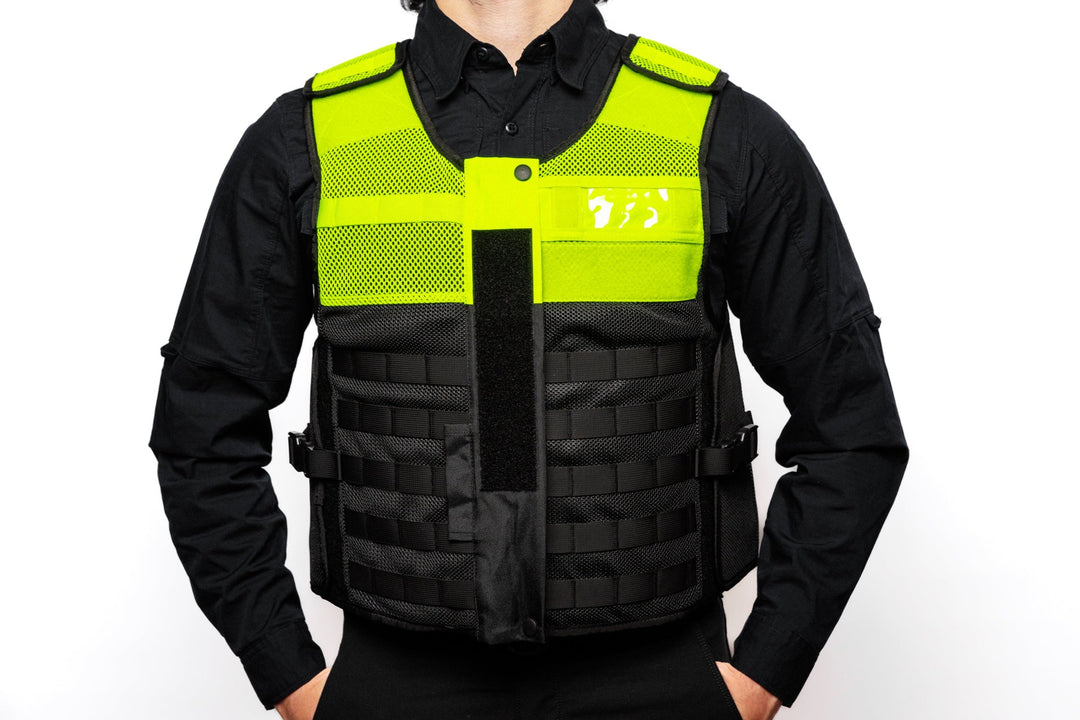
Selecting the appropriate stab vest is crucial for ensuring personal safety in situations that pose potential threats. With a range of options available, understanding the key factors that distinguish each type can be overwhelming. This guide aims to simplify the decision-making process by outlining the essential considerations when choosing a stab vest, ensuring that the choice aligns with your specific needs and circumstances.
Understanding Stab Vest Levels
Stab vests are categorized based on the level of protection they offer. Each level is designed to provide varying degrees of defense against different threats and environments.
- Level 1: Designed for low-risk environments, offering protection against basic threats such as knives and sharp objects.
- Level 2: Suitable for moderate-risk areas, this level defends against more substantial attacks.
- Level 3: Offers the highest level of protection, ideal for high-risk situations and professional use. Discover expert strategies here.
Material and Construction
The material used in stab vests significantly impacts their effectiveness and comfort. Understanding the differences can help in making an informed choice.
- Kevlar: Known for its strength and flexibility, Kevlar vests provide excellent protection while allowing ease of movement.
- Dyneema: Offers a lightweight yet robust alternative, suitable for situations requiring high mobility.
- Steel Plates: Provide maximum protection but may hinder movement due to their rigidity. Learn about our tailored solutions.
Comfort and Fit
A stab vest must fit well to ensure it remains effective and comfortable during use. Consider the following factors when evaluating fit:
- Adjustability: Look for vests with adjustable straps to accommodate different body shapes and sizes.
- Breathability: Consider vests with moisture-wicking materials to enhance comfort in various climates.
- Weight: Ensure the vest is not too heavy, which can lead to fatigue over prolonged wear. Explore advanced guides and tips.
Intended Use and Environment
The environment and specific use-case scenarios play a crucial role in selecting the right stab vest. Tailoring the choice to the task at hand ensures optimal protection and functionality.
- Urban Use: For city environments, choose a vest that balances protection with discretion and mobility.
- Rural or Remote Areas: Opt for vests that offer higher protection levels due to the potential for delayed emergency response.
- Professional Use: For security personnel or law enforcement, a high-grade vest with additional features such as pockets for equipment is ideal. Find out more about this approach.
Budget Considerations
While safety should never be compromised, budget constraints are a reality for many. Here are some tips for balancing cost with protection:
- Research: Compare different brands and models to find a vest that offers the best value for its features.
- Long-Term Investment: Consider the vest as a long-term investment, prioritizing quality over initial cost.
- Warranty and Support: Check for warranties and after-sales support to maximize the vest’s lifespan. Explore advanced guides and tips.
