Integrating Technology in Clinical Mental Health Counseling
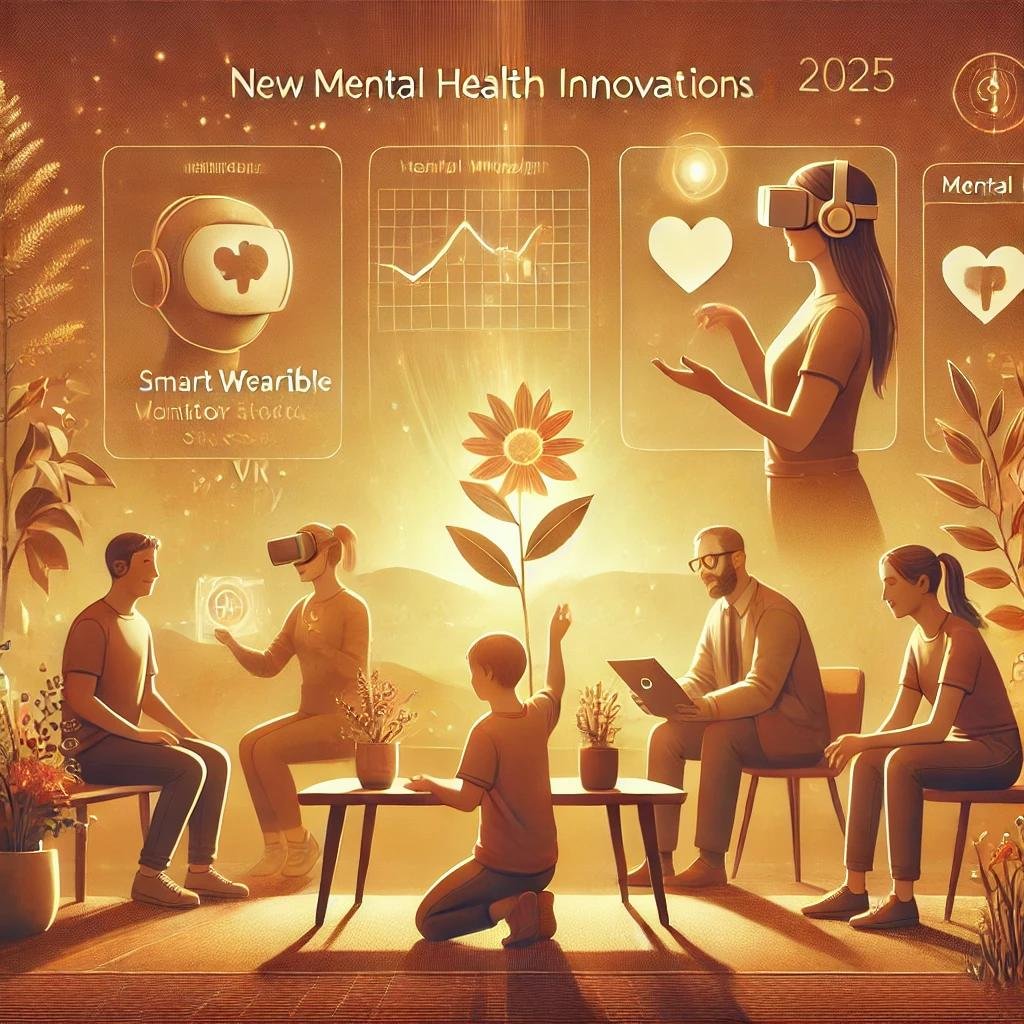
In recent years, the landscape of clinical mental health counseling has evolved significantly, driven by rapid advancements in technology. These innovations are not only transforming how mental health services are delivered but also enhancing the effectiveness of therapeutic interventions. As counselors adapt to these changes, the integration of technology into practice is becoming increasingly essential. This article explores the various ways technology is being utilized in clinical mental health counseling, the benefits it offers, and the considerations professionals need to keep in mind.
The Role of Technology in Mental Health Counseling
Technology plays a multifaceted role in mental health counseling by providing tools and platforms that extend the reach and capabilities of therapists. With the advent of digital solutions, counselors can now offer more personalized and accessible care.
Teletherapy and Online Counseling
Teletherapy has become a cornerstone of modern mental health services, allowing counselors to connect with clients remotely. This approach offers several advantages:
- Increased accessibility for clients in remote or underserved areas
- Flexibility in scheduling sessions
- Reduced stigma, as clients can attend sessions from the comfort of their own home
For professionals looking to integrate teletherapy into their practice, explore advanced guides and tips on effective implementation.
Mobile Applications and Self-Help Tools
A growing number of mobile applications are designed to support mental health, offering clients tools to manage symptoms, track progress, and engage in self-help exercises. These apps can provide:
- Guided meditation and mindfulness exercises
- Mood tracking and journaling features
- Educational resources on mental health topics
Such tools empower clients to take an active role in their mental health journey. Find out more about this approach and how it can complement traditional therapy.
Benefits of Technology Integration
Integrating technology in mental health counseling offers a multitude of benefits that enhance the therapeutic process and improve client outcomes.
Enhanced Engagement and Interaction
Digital platforms facilitate greater engagement between clients and therapists through interactive features. This can lead to:
- Improved communication and rapport
- More frequent check-ins and updates
- Personalized and dynamic treatment plans
To ensure effective engagement, professionals can learn about our tailored solutions designed for integrating technology into practice.
Data-Driven Insights
Technology enables the collection of valuable data that can inform treatment decisions. Analytics and reporting tools provide insights into:
- Client progress and therapy effectiveness
- Patterns and trends in mental health symptoms
- Areas requiring additional focus or intervention
Counselors can discover expert strategies here for leveraging data to enhance therapeutic outcomes.
Considerations for Ethical and Effective Use
While technology offers numerous advantages, its integration into mental health counseling also requires careful consideration of ethical and practical factors.
Privacy and Security
Protecting client confidentiality is paramount. Counselors must ensure that digital platforms comply with privacy regulations and implement robust security measures. Key considerations include:
- Data encryption and secure storage
- Compliance with HIPAA and other relevant regulations
- Clear communication with clients about data use
To maintain ethical standards, professionals can explore advanced guides and tips on securely integrating technology into their practice.
Maintaining the Human Connection
While technology enhances counseling services, it is crucial to maintain the human connection that is central to effective therapy. Counselors should strive to:
- Balance digital interactions with face-to-face sessions when possible
- Ensure empathy and understanding are conveyed through digital communication
- Adapt to individual client needs and preferences
For strategies on maintaining a strong therapeutic alliance in a digital age, find out more about this approach.
