Top Commercial HVAC Services for Your Business Needs
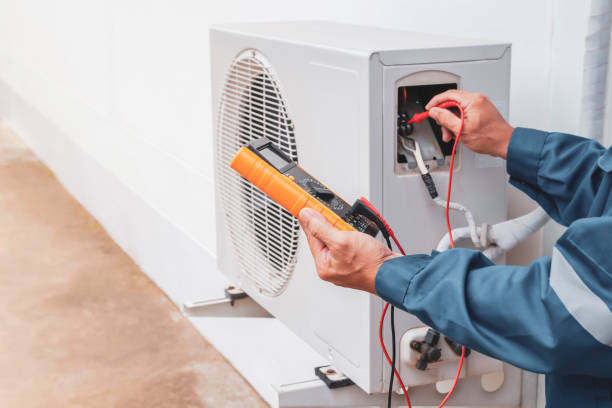
When a commercial building relies on heating, ventilation, and air-conditioning (HVAC) systems, the impact on productivity, comfort, and operational costs is significant. Selecting the right HVAC services ensures that systems run efficiently, comply with regulations, and adapt to changing business demands. This guide outlines the essential services every organization should consider, the criteria for evaluating providers, and best practices for maintaining optimal indoor climate control.
Core Commercial HVAC Services
System Design and Engineering
- Load calculations based on building size, occupancy, and equipment heat gain.
- Selection of appropriate equipment types (e.g., variable-refrigerant-flow, chilled water, rooftop units).
- Integration with building automation systems for real-time monitoring.
- Compliance with local codes, energy standards, and indoor-air-quality guidelines.
For deeper insight into design considerations, Read more about this topic.
Installation and Commissioning
- Professional installation by certified technicians to ensure proper refrigerant charge, duct sealing, and electrical connections.
- Comprehensive commissioning that verifies performance against design specifications.
- Documentation of as-built drawings, control sequences, and warranty information.
To understand the commissioning process, Learn more in this detailed guide.
Preventive Maintenance Programs
- Scheduled inspections of filters, coils, fans, and control systems.
- Lubrication, calibration, and cleaning to prevent efficiency loss.
- Predictive analytics using sensor data to anticipate component wear.
Explore how preventive maintenance can extend equipment life by Explore further insights here.
Repair and Emergency Services
- 24/7 rapid response for system failures that affect business continuity.
- Availability of stocked parts for common models to reduce downtime.
- Root-cause analysis to prevent repeat failures.
Find additional information about emergency service protocols at Find additional information here.
Energy Management and Optimization
- Energy audits that identify waste and recommend upgrades.
- Implementation of demand-control ventilation and economizer strategies.
- Retro-commissioning of existing systems to recover lost efficiency.
Read more about energy optimization techniques by Read more about this topic.
Key Factors When Choosing an HVAC Service Provider
- Certification and Licensing: Technicians should hold relevant HVAC certifications (e.g., NATE, EPA) and the company must be properly licensed in the operating jurisdiction.
- Experience with Commercial Projects: Providers with a portfolio of commercial installations understand the scale and complexity of larger systems.
- Response Time Guarantees: Service level agreements (SLAs) that define response and resolution times are essential for minimizing operational disruption.
- Transparent Pricing: Clear, itemized quotes for design, installation, maintenance, and repair help avoid hidden costs.
- Data-Driven Approach: Utilization of building management software and analytics demonstrates a commitment to continuous performance improvement.
- Sustainability Credentials: Experience with high-efficiency equipment and renewable integration aligns with corporate ESG goals.
Best Practices for Ongoing HVAC Management
Develop a Comprehensive Maintenance Schedule
Align maintenance tasks with manufacturer recommendations and seasonal demands. A typical schedule includes:
- Quarterly filter replacement or cleaning.
- Bi-annual coil cleaning and refrigerant charge verification.
- Annual inspection of safety controls, such as pressure relief valves and gas detectors.
Leverage Building Automation Systems (BAS)
Integrating HVAC controls with a BAS enables:
- Real-time temperature and humidity monitoring.
- Automated alerts for performance deviations.
- Energy consumption reporting for budgeting and sustainability tracking.
For a practical overview of BAS integration, Learn more in this detailed guide.
Implement Predictive Maintenance Technologies
Vibration analysis, infrared thermography, and IoT sensors can detect early signs of equipment degradation. Benefits include:
- Reduced unplanned outages.
- Extended equipment lifespan.
- Lower overall maintenance costs.
Regularly Review Energy Usage Reports
Comparing actual consumption against benchmarks helps identify inefficiencies. Action steps include:
- Adjusting setpoints based on occupancy patterns.
- Retrofitting outdated components with higher-efficiency alternatives.
- Scheduling periodic retro-commissioning audits.
Explore additional strategies for energy reporting at Find additional information here.
Conclusion
Effective commercial HVAC management combines thoughtful system design, reliable installation, proactive maintenance, and data-driven optimization. By prioritizing certified expertise, clear service agreements, and sustainable practices, businesses can achieve consistent indoor comfort while controlling operational costs. Leveraging reputable resources and staying informed about industry advancements ensures that HVAC systems remain a strategic asset rather than a liability.
